How to prevent nipple chafing in a marathon
Short answer
To prevent nipple chafing in a marathon, cover each nipple with a barrier that stays on when wet, wear a snug moisture-wicking shirt you have already run long in, and test the whole setup on at least two long training runs before race day.

Key takeaways
- Use a barrier that holds through 3 to 5 hours of sweat, and apply it to clean, dry skin.
- Race in a shirt you have already done a long run in. Skip the cotton event tee.
- Test everything on long runs. Nothing new on race day.
- Carry a spare pair of covers or a small tub of lubricant.
On this page
To prevent nipple chafing in a marathon, cover each nipple with a barrier that stays on when soaked, wear a snug moisture-wicking shirt you have already run long in, and test the whole setup on your long training runs. A marathon means 3 to 5 hours of sweat and tens of thousands of arm swings, so small gaps in your setup show up late in the race.
1. Choose a barrier that lasts 26.2 miles
You have three main options:
| Option | Works well when | Watch out for |
|---|---|---|
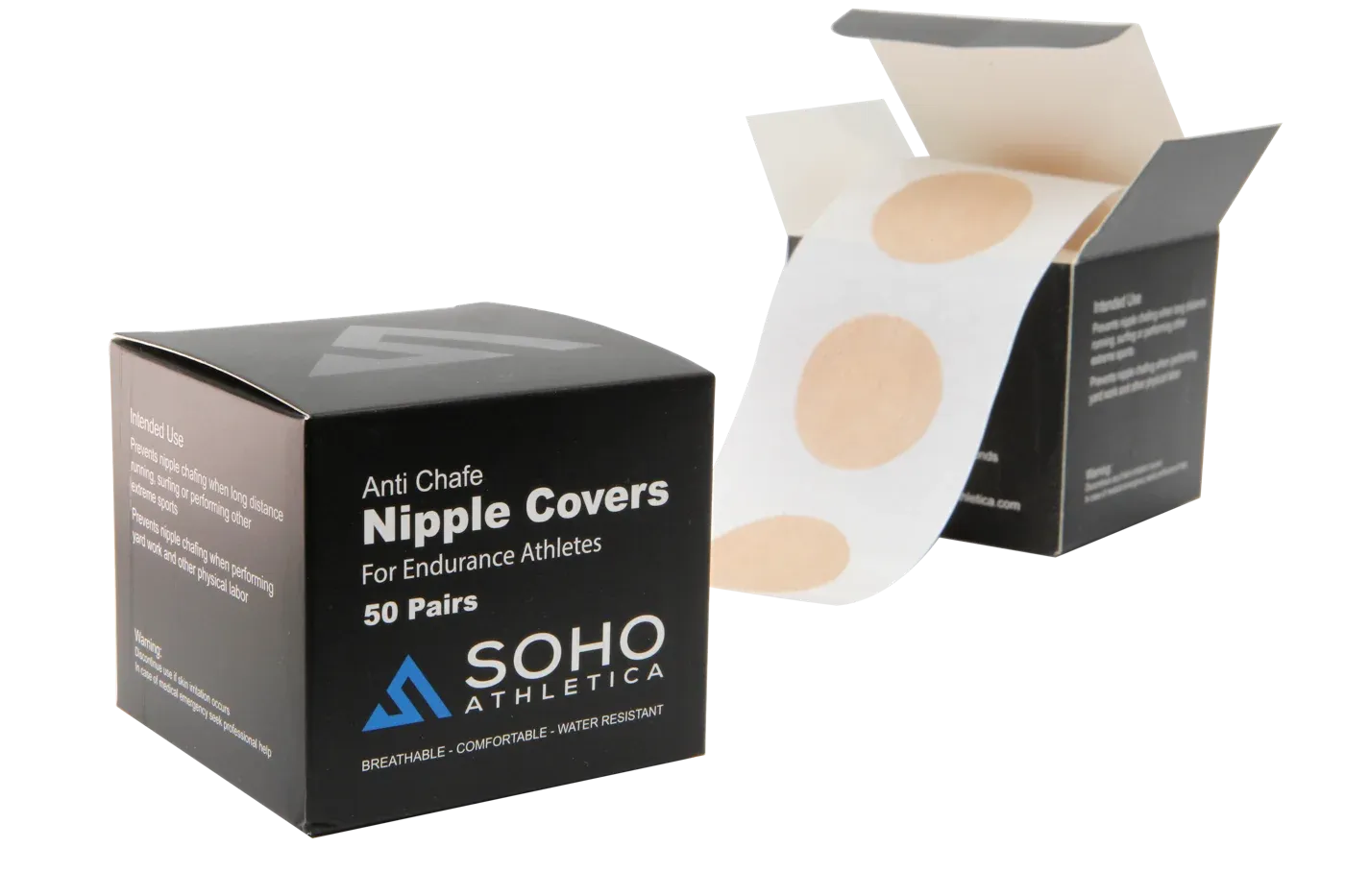
| Nipple covers | You want something that stays put for hours | Apply to clean, dry, trimmed skin so the adhesive grips |
| Sports or medical tape | You already have it and your skin tolerates it | Can lift when wet and can sting coming off |
| Lubricant (petroleum jelly, anti-chafe balm) | Short races, or as a backup layer | Can rub off or sweat away before the finish |
For a full comparison, read Vaseline vs tape vs nipple covers.
2. Pick your race shirt now, not at the expo
- Wear a shirt you have already done a long run in. A new shirt can have a seam or print that rubs in a place you did not expect.
- Choose moisture-wicking fabric such as polyester or a nylon blend. Avoid cotton, which soaks up sweat and drags.
- Go snug, not loose. Less movement means less friction.
- Check where your bib sits. Pin it low on your shirt or use a race belt, so the bib edge does not rub your chest.
More detail: Which shirt fabrics cause nipple chafing?
3. Test on your long runs
Use your exact race-day setup on at least two long runs of 16 miles (26 km) or more: same shirt, same barrier, same application routine. If anything rubs, change it and test again. Race day is not the time to find out.
4. Race morning routine
- Shower, then dry your chest completely.
- Trim any hair around the nipple if you use covers or tape.
- Apply your barrier before you put on your shirt. For covers, press each one firmly for about 5 seconds.
- Put on your race shirt and pin your bib.
5. Carry a backup
Tuck a spare pair of covers or a small sachet of lubricant in a pocket or belt. Many races have petroleum jelly at medical tents, but check your race guide rather than relying on it.
6. Plan for the weather
Rain and humidity soak your shirt, and cold makes nipples more prominent. Both raise your risk. See Nipple chafing in rain, heat and cold.
After the finish
If you do chafe, clean the area, pat it dry and cover it. Read how to treat chafed nipples.
This guide is general information, not medical advice.
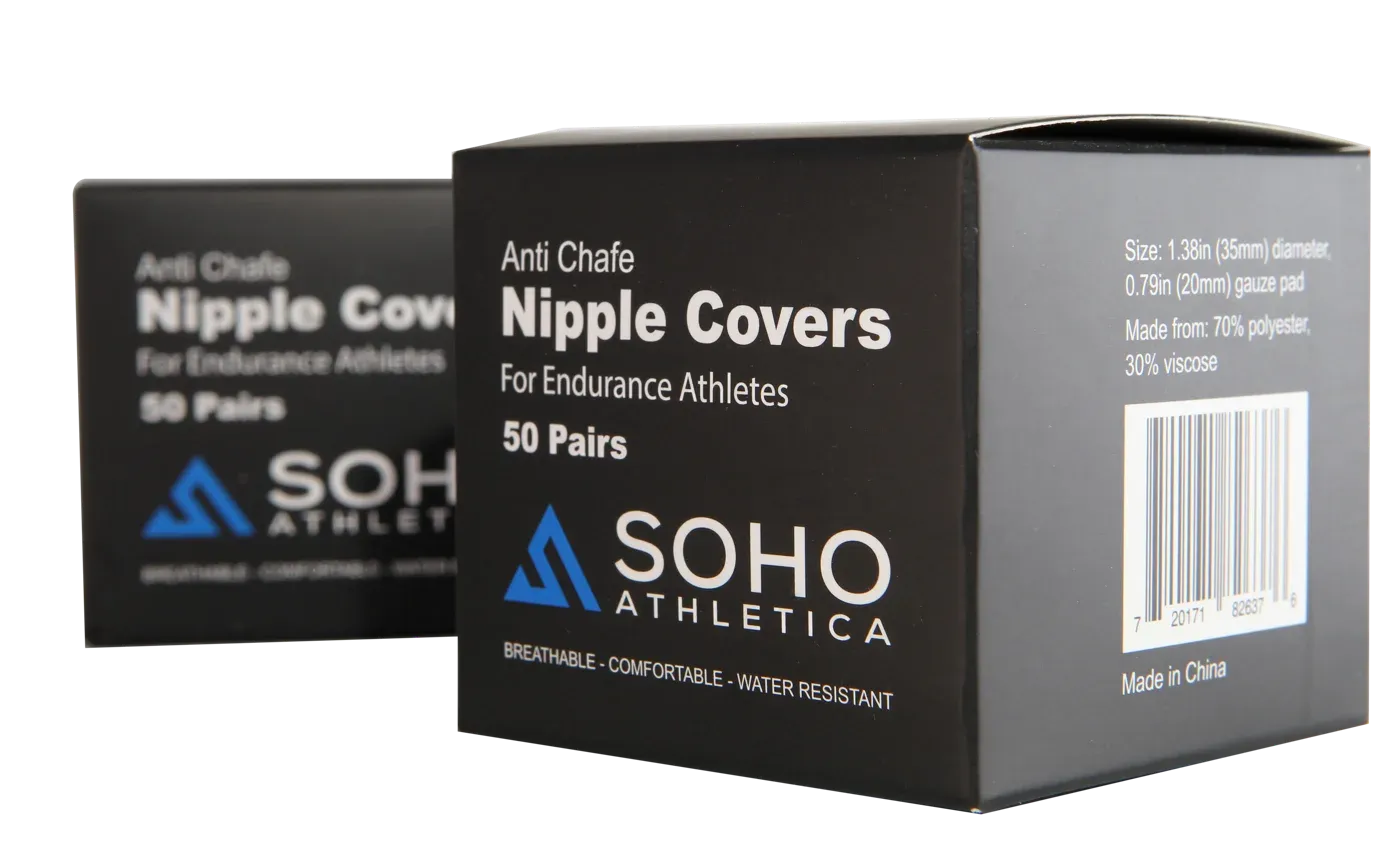
SOHO Athletica anti-chafe nipple covers
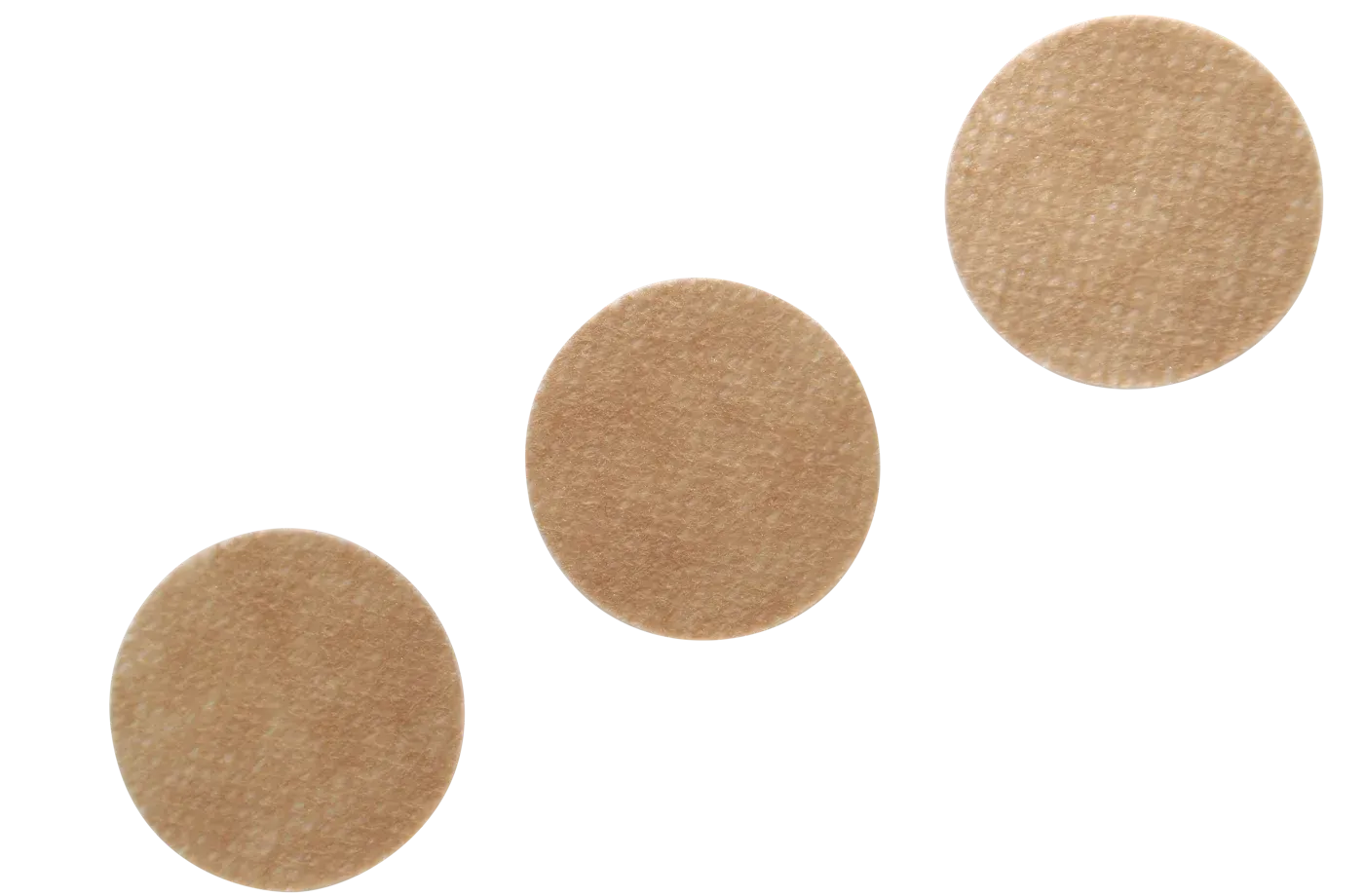
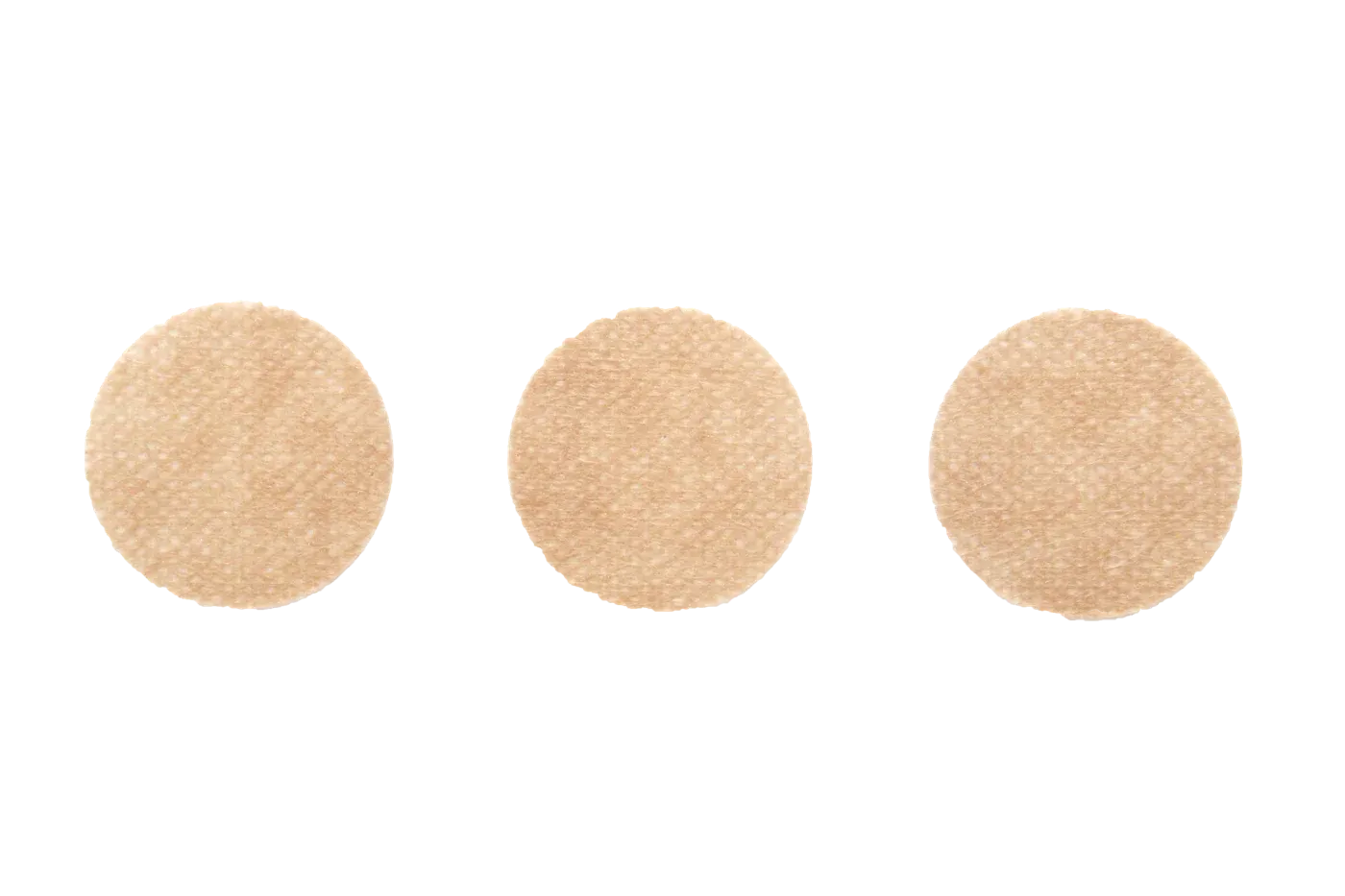
50 pairs per box. 1.38 in (35 mm) across with a 0.79 in (20 mm) gauze center pad. Breathable and water resistant.
Questions runners ask
Should I tape my nipples for a marathon?
Yes, or use another barrier. Tape, purpose-made nipple covers and lubricants all work. Pick one that stays on when soaked, and test it on long runs first.
When should I put on nipple covers before a race?
Apply them at home, before you put your race shirt on, to clean and dry skin. Adhesive grips best when it goes on before you start sweating.
Is Vaseline enough for a marathon?
It works for some runners, but it can rub off or sweat away over 26.2 miles. If you use it, carry a small amount to reapply, or use it alongside a cover.
Sources
- Cleveland Clinic. What's jogger's nipple and how can you avoid it?. 2025-02-19.
- British Journal of Sports Medicine, 2004;38(4):498-501 (Mailler EA, Adams BB). The wear and tear of 26.2: dermatological injuries reported on marathon day. 2004-08-01.