
Start here
How to prevent nipple chafing in a marathon
A step-by-step plan for 26.2 miles: what to wear, what to put on your nipples, how to test it and what to carry.
3 min read
We'd like to use Google Analytics cookies to understand how people use the site, so we can improve it. We don't use cookies for advertising. How we use cookies
Nipple chafing, often called jogger's nipple, happens when a shirt rubs the same spot thousands of times until the skin gets raw and can bleed. You prevent it by stopping the friction: a snug technical shirt plus a barrier such as a nipple cover, tape or lubricant.

Each guide answers one question in full. Start with the race plan if you have a marathon coming up.
A step-by-step plan for 26.2 miles: what to wear, what to put on your nipples, how to test it and what to carry.
3 min read

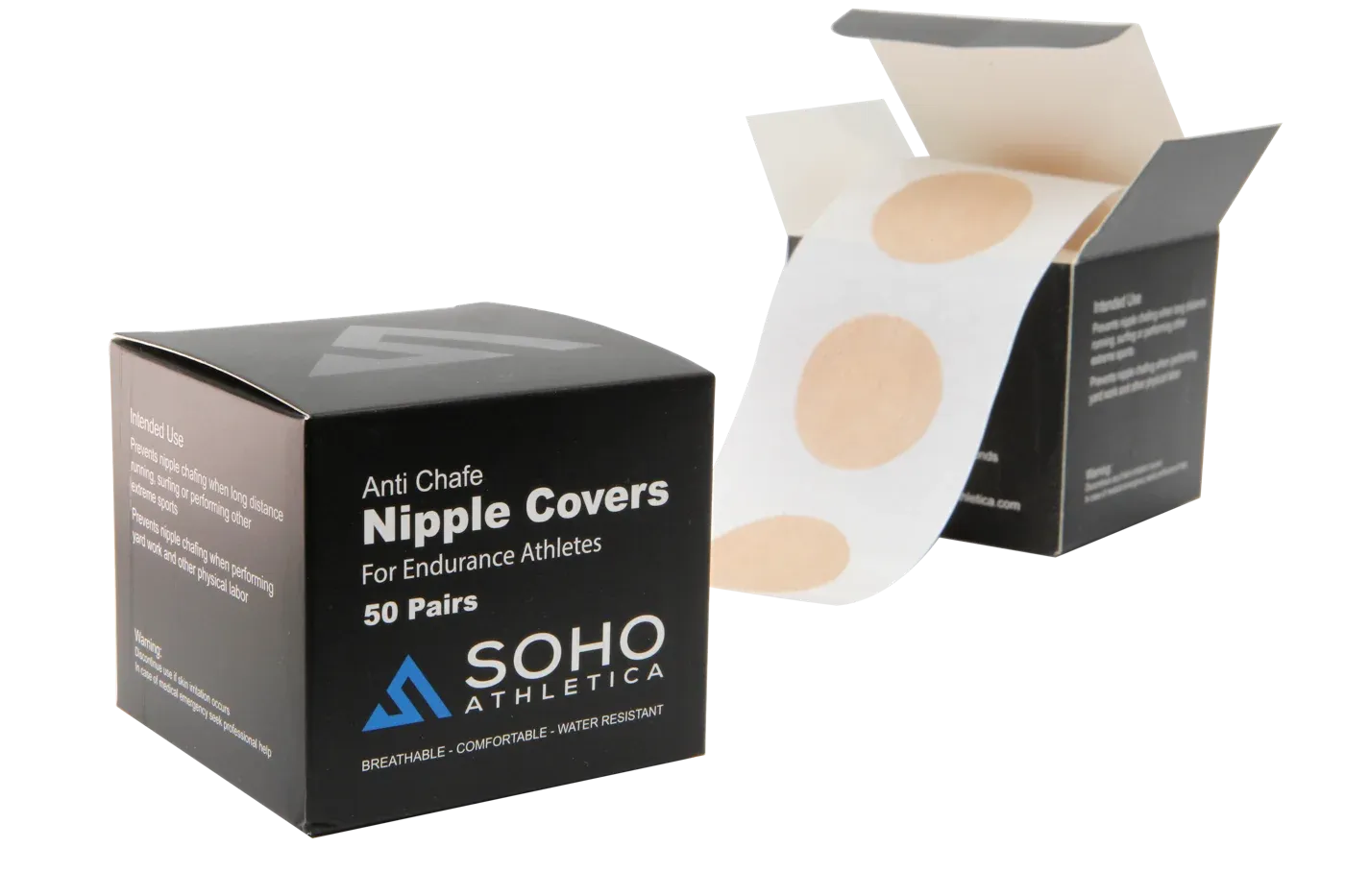
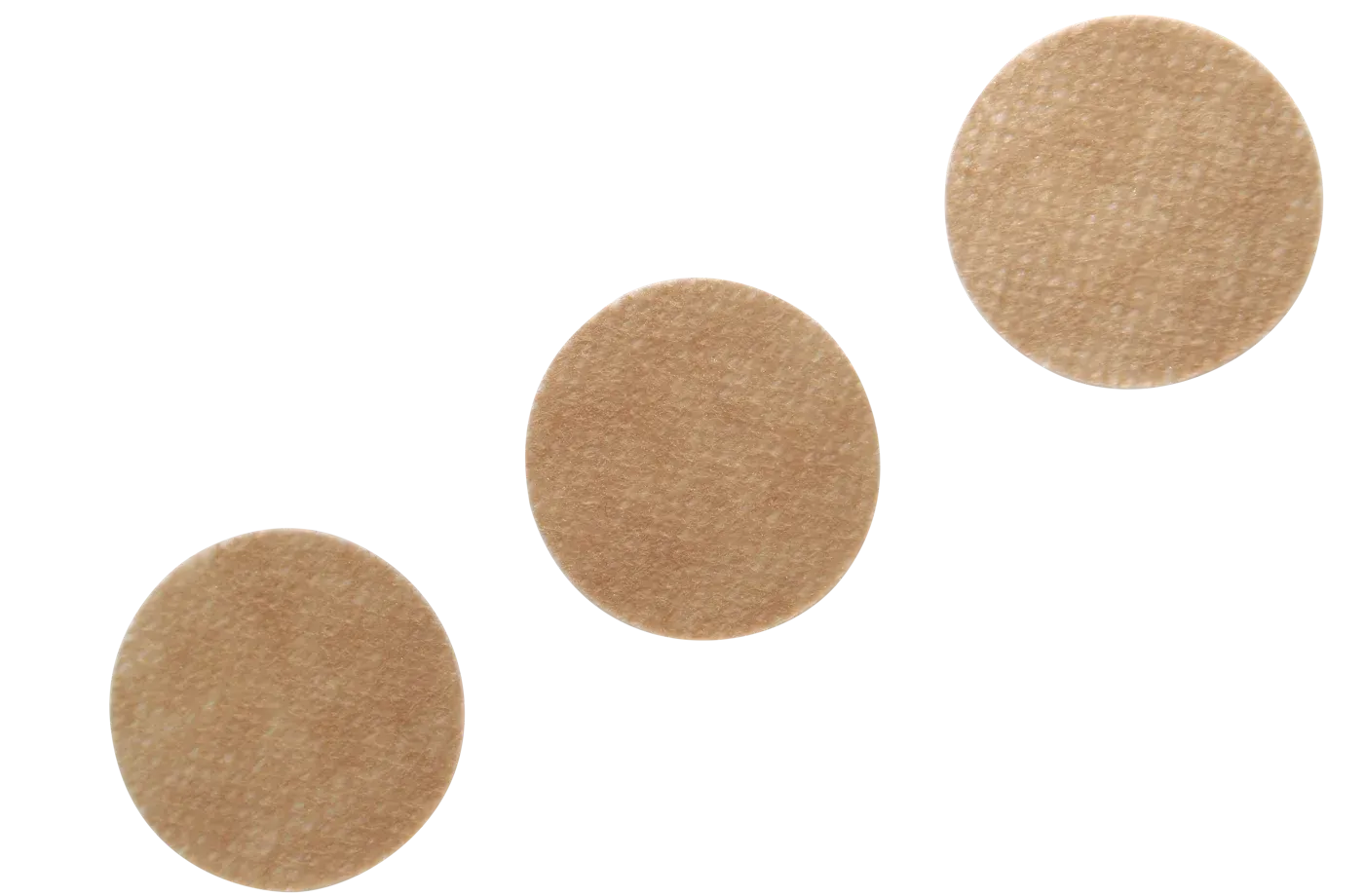
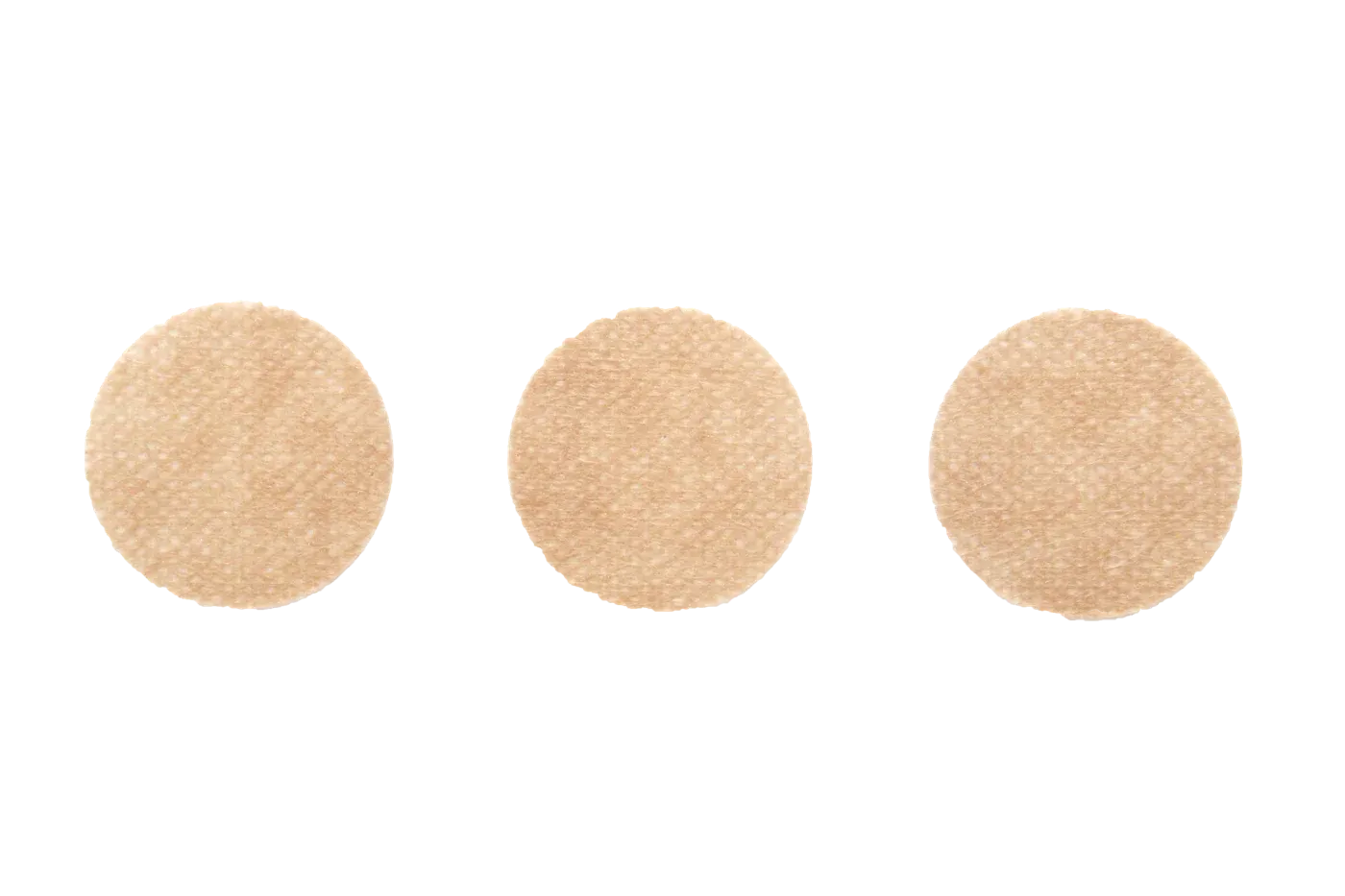

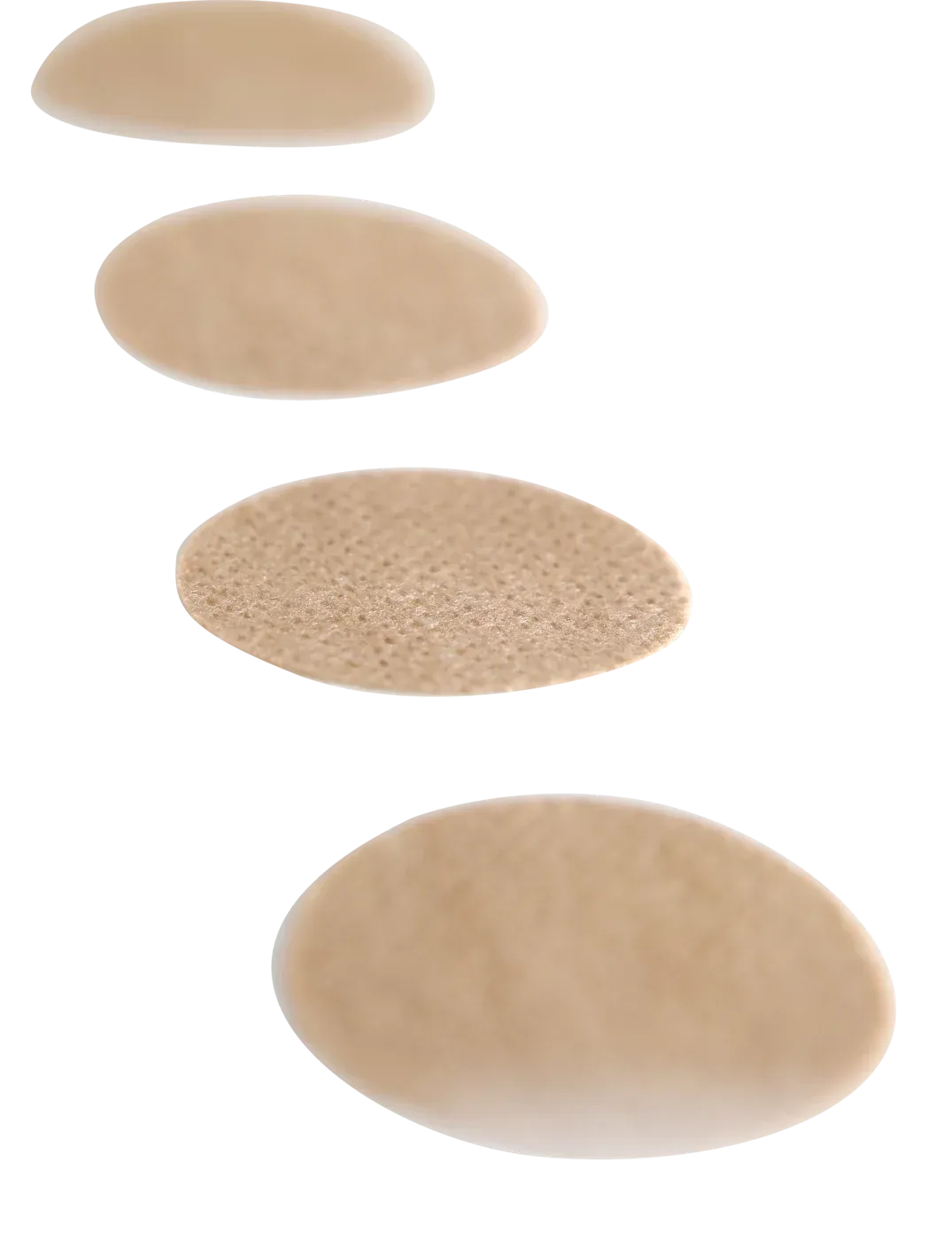
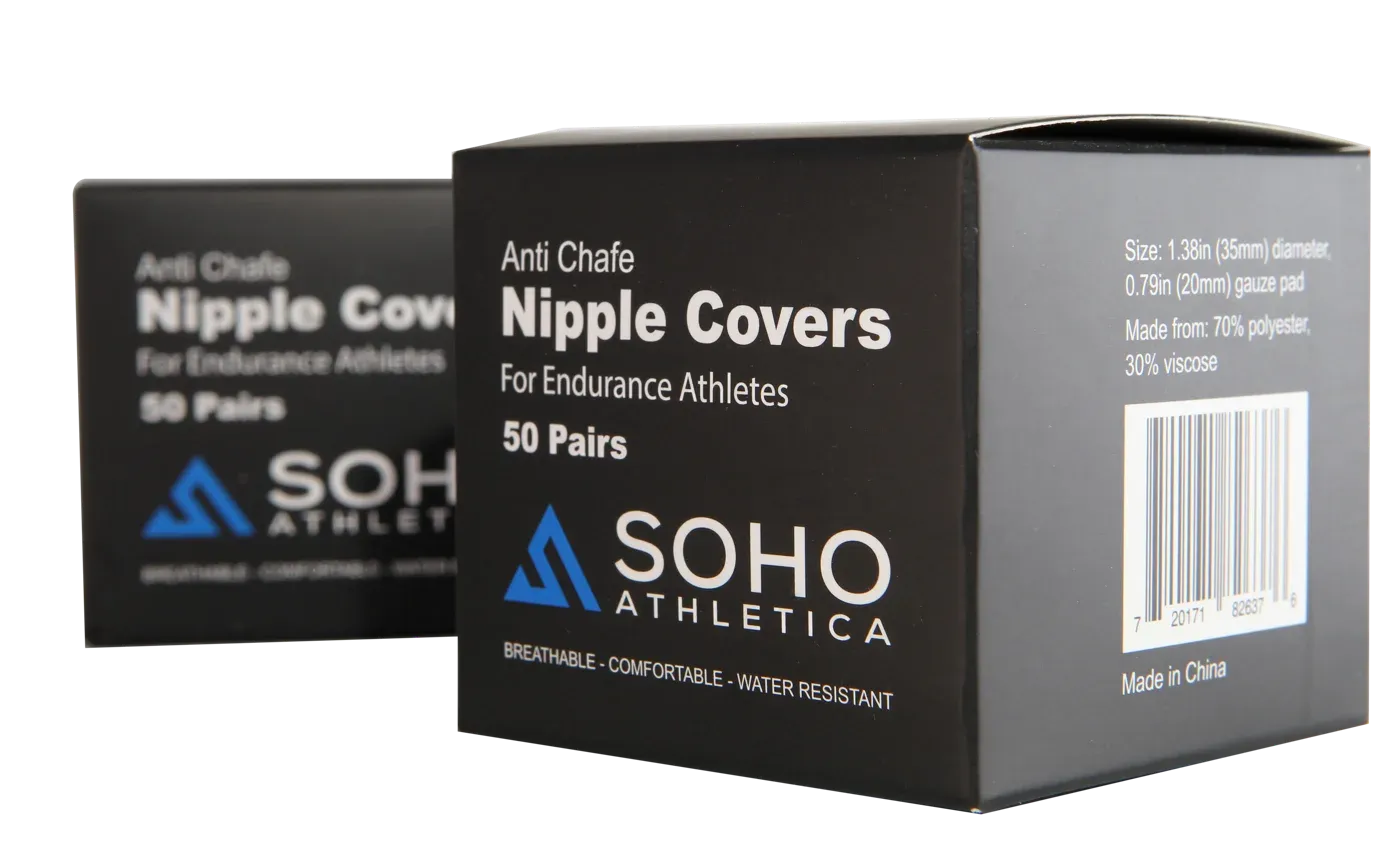
50 pairs per box. 1.38 in (35 mm) across with a 0.79 in (20 mm) gauze center pad. Breathable and water resistant.
Nipple chafing, often called jogger’s nipple, is skin damage caused by a shirt rubbing across your nipples over and over. On a long run that can mean tens of thousands of small rubs on the same spot. The skin turns red and sore, then raw, and it can crack and bleed.
The fix is simple: stop the fabric touching the skin, or stop it moving. This guide covers what causes nipple chafing, who gets it, how to prevent it and how to treat it when it happens.
Friction is the cause. Everything else makes the friction worse:
Read more: Which shirt fabrics cause nipple chafing? and Nipple chafing in rain, heat and cold.
Anyone whose shirt rubs their chest for long enough can get it. It is most common in:
Read more: Nipple chafing in cycling and surfing.
It starts as redness and a stinging or burning feeling, usually late in a long session. If the rubbing continues, the skin becomes raw, dry and tender to touch. In bad cases it cracks and bleeds, which often shows as two red streaks down the front of your shirt.
Read more: Why do runners’ nipples bleed?
Prevention works in two layers: reduce the friction, then block what is left.
Read more: How to prevent nipple chafing in a marathon and Vaseline vs tape vs nipple covers.
Read more: How to treat chafed nipples after a run.
Most chafed nipples heal on their own within days to a few weeks. See a doctor if you notice pus, spreading redness, swelling or fever, or if the skin has not improved after a few weeks.
This guide is general information, not medical advice.
Short answers. Each links to a full guide above.
Jogger's nipple is the common name for nipple chafing: red, sore, sometimes bleeding nipples caused by a shirt rubbing against them during exercise.
It is common in runners who log high mileage. Cleveland Clinic reports a study finding that almost 36% of runners covering more than 40 miles (65 km) a week had nipple chafing.
Stop the shirt rubbing your skin. Wear a snug, moisture-wicking shirt instead of cotton and put a barrier over each nipple before you dress, such as a nipple cover, tape or a lubricant.
Most cases heal within days to a few weeks. Keep the area clean and dry, protect it and take a few days off running if you can.
See a doctor if you notice pus or other signs of infection, or if the skin has not improved after a few weeks.
50 pairs of water-resistant nipple covers, shipped by Amazon.